U.S. Initial Jobless Claims: A Significant Dip Below Expectations
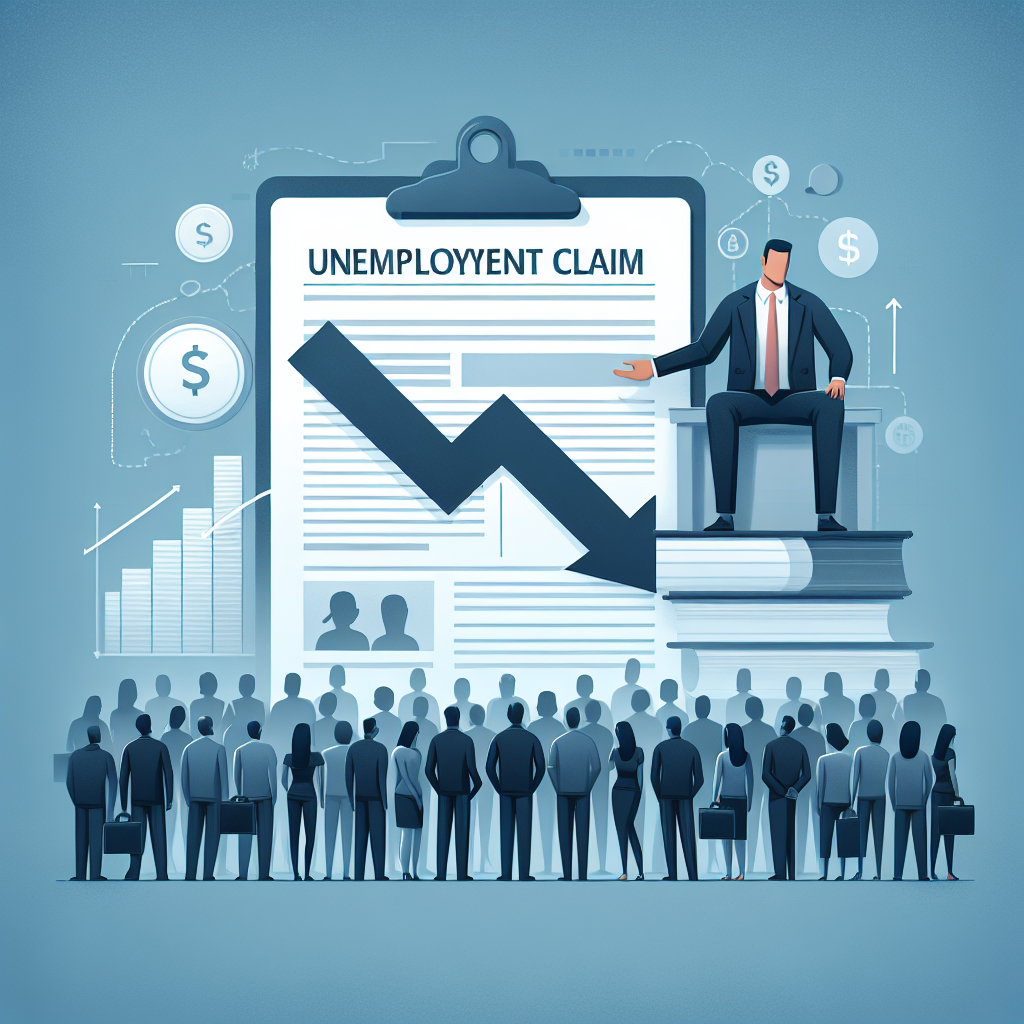

In a surprising turn of events, recent data from the U.S. Department of Labor revealed that the number of initial jobless claims fell to 206,000, significantly below analysts’ predictions. This decline is not just a mere statistic; it reflects the underlying dynamics of the labor market and provides insights into the broader economic landscape. In this article, we will delve into the implications of this data, the trends in ongoing jobless claims, and what this means for the future of employment in the United States.
We will also explore the potential impacts of government policies, economic trends, and expert opinions on the labor market. By understanding these elements, we can better grasp the current state of the economy and what it means for job seekers and businesses alike.
An Overview of Jobless Claims Data
Initial jobless claims are a key indicator of the health of the labor market. A decrease in these claims suggests that fewer people are losing their jobs, which is generally a positive sign for the economy. Last week’s report indicated a total of 206,000 claims, which is 17,000 less than the anticipated figure of 223,000. This marks a decline from the previous week’s adjusted figure of 229,000, showing a consistent downward trend.
The decrease in initial claims is particularly significant as it occurs alongside ongoing labor market pressures. Economists closely monitor these numbers as they provide insights into employment trends and potential economic shifts. A decline in jobless claims could signal a tightening labor market, which may lead to wage increases and inflationary pressures.
Continued Jobless Claims: A Broader Perspective
While initial claims have decreased, continued jobless claims also provide valuable context. The number of individuals receiving ongoing unemployment benefits rose to 1.869 million, slightly above the previous week’s revised figure of 1.852 million. This increase of 17,000 claims indicates that although fewer people are newly unemployed, those who are unemployed may be facing challenges in securing new employment.
This disparity can lead to discussions about the structural issues within the labor market, such as skills mismatches and geographic disparities. Understanding these dynamics is crucial for policymakers aiming to implement effective solutions for job seekers.
Implications for the Labor Market
The recent jobless claims data sheds light on the current state of the U.S. labor market. A lower number of initial claims typically indicates a healthy economy where job creation is outpacing job losses. However, the rise in continued claims suggests that certain sectors may still be struggling. For instance, industries heavily impacted by the pandemic, such as hospitality and travel, may continue to face challenges in rehiring their workforce.
Economists are keenly observing these trends, as they can influence monetary policy decisions by the Federal Reserve. A strong labor market could lead to tighter monetary policy to curb inflation, whereas ongoing unemployment challenges might prompt continued support for job training and employment programs.
Economic Factors Influencing Jobless Claims
Several economic factors contribute to the fluctuations in jobless claims. The ongoing impacts of the COVID-19 pandemic, supply chain disruptions, and inflationary pressures are all at play. For instance, businesses facing higher operational costs may be hesitant to hire aggressively, which can impact job creation rates.
Moreover, recent geopolitical events and trade policies, particularly under the current administration, have created uncertainty in various sectors. This uncertainty can influence hiring practices, as businesses may adopt a more cautious approach in expanding their workforce.
Expert Opinions and Predictions
Economists and labor market analysts are closely monitoring the implications of these jobless claims figures. Many experts believe that as the economy continues to recover from the pandemic, we may see more job creation in sectors that have been sluggish. However, structural issues in the labor market will need to be addressed to facilitate this recovery.
Furthermore, rising inflation could lead to a tightening of monetary policy, which may affect employment levels. Experts warn that while the current data is promising, sustained job growth will require ongoing support from both the public and private sectors.
Conclusion
The recent decrease in initial jobless claims to 206,000 is a positive indicator of the U.S. labor market’s health, suggesting that fewer individuals are losing their jobs. However, the rise in continued claims highlights ongoing challenges for many job seekers. To foster a robust labor market, addressing structural issues and navigating the complexities of current economic conditions will be essential.
As we look ahead, it is crucial for policymakers, businesses, and job seekers to stay informed about these trends and adapt to the evolving landscape. In a world where economic conditions can change rapidly, staying proactive is key to ensuring success in the labor market.
Don’t miss out on maximizing your potential returns! Get up to 85% of your exchange fees back now! Click here: Cashback 100.


