Rising Tensions: The Postponement of the US-China Summit and Its Implications on Iran and Trade Relations
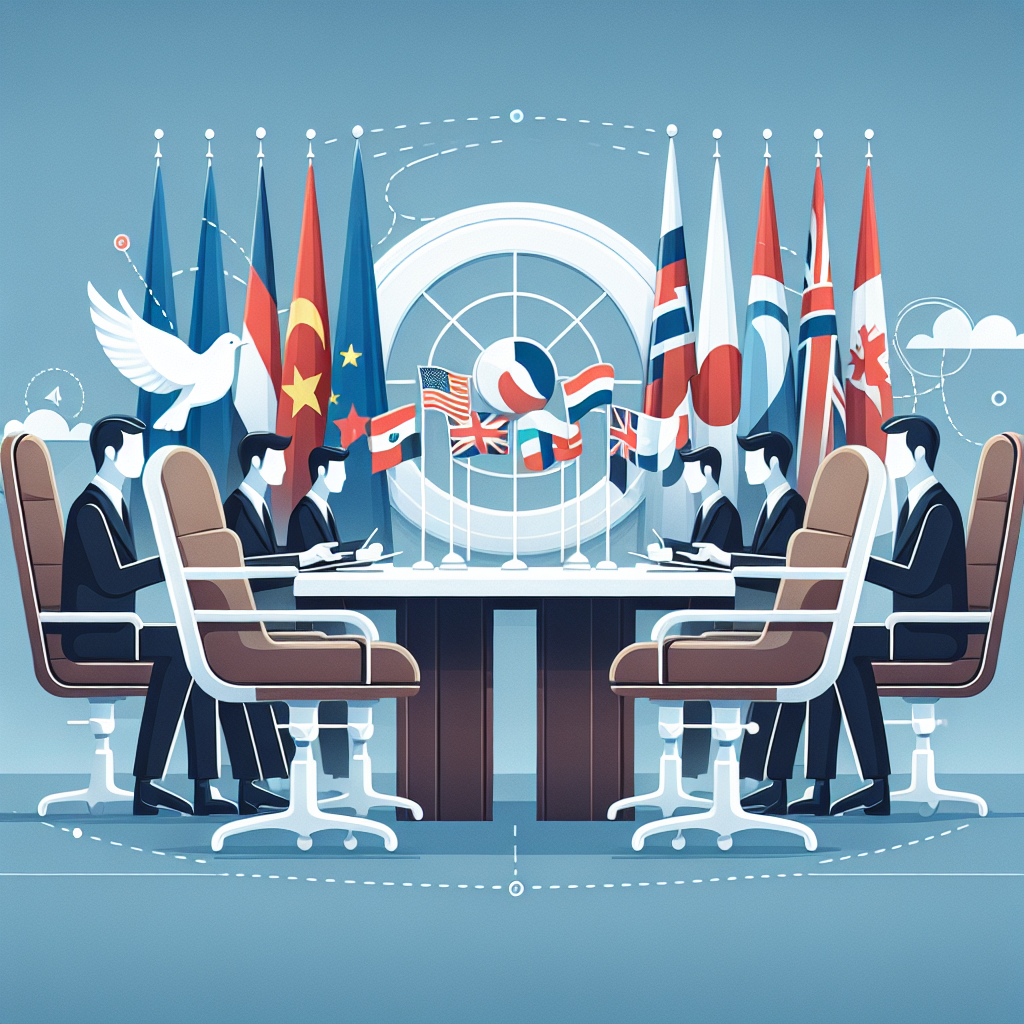

The recent decision to postpone the highly anticipated summit between U.S. President Donald Trump and Chinese President Xi Jinping has sent ripples through the geopolitical landscape. With a backdrop of escalating tensions between the United States and Iran, coupled with growing trade disputes, the implications of this delay could be far-reaching. This article will delve into the potential consequences of this summit’s postponement, examining the intricate web of international relations, trade laws, and military strategies at play.
Throughout this discussion, we will explore the impact of the U.S.-China summit delay on global diplomacy, particularly concerning Iran, as well as the implications of U.S. trade laws on the already strained Sino-American relations. We will also analyze how these developments may affect regional power dynamics in the Middle East and East Asia, ultimately providing insights into what the future may hold.
The Context of the U.S.-China Summit Postponement
The postponement of the U.S.-China summit has come at a time of heightened tensions between the two nations. Initially, the summit was expected to serve as a platform for both leaders to address critical issues, including trade imbalances, military posturing, and strategic partnerships. However, the decision to delay could signify deeper underlying issues, particularly regarding U.S. military actions in the Middle East.
Trump’s administration has been navigating complex relationships with various nations, with Iran emerging as a focal point of concern. The U.S. has been increasingly vocal about its military presence in the region, especially following incidents like the recent naval deployments in response to perceived threats from Iran. This military strategy underscores a critical juncture for the U.S. as it seeks to balance its interests in the Middle East while managing its relationship with China.
Moreover, the timing of the summit’s postponement aligns with the U.S. government’s call for a deeper investigation into China’s trade practices. This investigation, rooted in Section 301 of the Trade Act, aims to address concerns over China’s supply chain practices and alleged unfair trade advantages.
Iran: A Complicating Factor in U.S.-China Relations
The increasing likelihood of U.S. military intervention in Iran introduces a significant variable in the U.S.-China relationship. Historically, China has maintained a critical stance towards U.S. military actions in the Middle East, often positioning itself as a mediator and advocate for diplomatic resolutions. The postponement of the summit could further strain these dynamics as the U.S. seeks China’s cooperation to address the Iran crisis.
China’s reluctance to fully align with U.S. interests in the region stems from its strategic interests in maintaining stability and protecting its significant investments in the Middle East. The Belt and Road Initiative, which emphasizes connectivity across Asia, Europe, and Africa, relies heavily on stable relations with Middle Eastern countries, including Iran.
Thus, as tensions escalate, China’s involvement—or lack thereof—in the Iran situation could influence its negotiating power with the U.S. Should the conflict in Iran deepen, China may find itself with greater leverage in future discussions with the U.S., potentially reshaping the balance of power in the region.
The Impact of U.S. Trade Policies on Sino-American Relations
The postponement of the summit also aligns with the U.S. government’s intensified scrutiny of China’s trade practices, particularly through the lens of Section 301. This investigation is designed to address perceived supply chain imbalances and is indicative of a broader trend of protectionism within U.S. trade policy.
As the U.S. moves forward with its investigation, the potential for increased tariffs and trade restrictions looms large. This development could exacerbate existing tensions and lead to retaliatory measures from China, further complicating the U.S.-China relationship. Experts suggest that the U.S. government’s approach may hinder diplomatic efforts and trust-building initiatives that are crucial for resolving trade disputes.
Additionally, the fallout from these trade investigations could have significant economic implications, affecting not just the two countries but also global markets. Companies reliant on Chinese manufacturing may face disruptions, leading to broader economic repercussions.
Strategic Military Considerations in East Asia and the Middle East
As the U.S. reallocates its military resources, particularly with the deployment of naval forces to the Middle East, questions arise about the potential power vacuum this creates in East Asia. Observers note that a diminished U.S. military presence in the region could embolden China to expand its influence, particularly in contested areas like the South China Sea.
This shift in military strategy poses critical questions about U.S. commitments to its allies in the region, including Japan and South Korea. The potential for increased Chinese assertiveness could lead to heightened tensions and conflicts over territorial disputes, especially as North Korea continues its provocative actions.
Furthermore, the strategic implications of U.S. military resources being diverted to the Middle East could have long-term consequences for East Asian security dynamics, potentially leading to a recalibration of alliances and partnerships in the region.
China’s Perspective on the Summit Delay
From China’s viewpoint, the postponement of the summit may not necessarily be detrimental. Analysts suggest that China has been preparing for the possibility of a delayed meeting, indicating a strategic approach to managing its foreign relations. As the U.S. faces internal political challenges and international scrutiny, China may see an opportunity to strengthen its position on the global stage.
Furthermore, China’s government has been proactive in developing alternative strategies to mitigate the impact of U.S. policies. By fostering deeper ties with other nations and positioning itself as a leader in global governance, China may be able to offset some of the disadvantages posed by a strained relationship with the U.S.
In this context, China’s response to the postponement may involve recalibrating its diplomatic strategies, emphasizing multilateral engagement, and seeking to assert its influence in global affairs.
Future Scenarios: The Path Ahead for U.S.-China Relations
The postponement of the U.S.-China summit presents a complex landscape with several potential outcomes. As both nations navigate the intricacies of diplomacy, trade, and military strategy, several scenarios may unfold. The first scenario could see heightened tensions leading to increased trade barriers and military posturing, further complicating bilateral relations.
Alternatively, the postponement could serve as a catalyst for both nations to reassess their strategies and seek a more constructive dialogue. This scenario would require both sides to prioritize diplomacy over confrontation, fostering an environment conducive to collaboration on shared global challenges.
Lastly, the evolving situation in Iran could play a pivotal role in shaping future interactions. Should the conflict escalate, it may compel both nations to reconsider their stances and find common ground in addressing regional stability.
Conclusion
The postponement of the U.S.-China summit marks a critical juncture in international relations, with implications extending beyond trade and diplomacy. As tensions rise between the U.S. and Iran, the need for strategic cooperation becomes increasingly evident. The dynamics of U.S.-China relations are poised for a significant transformation, influenced by military strategies, trade policies, and regional developments.
As we move forward, it is essential for both nations to engage in constructive dialogue and seek collaborative solutions to the challenges they face. The future of global stability may hinge on their ability to navigate these complex relationships thoughtfully and strategically. To stay informed about these developments, readers are encouraged to follow ongoing news coverage and analyses of international relations and trade issues.


