Will Bitcoin (BTC) Thrive Amid the Prolonged U.S.-Iran Conflict?
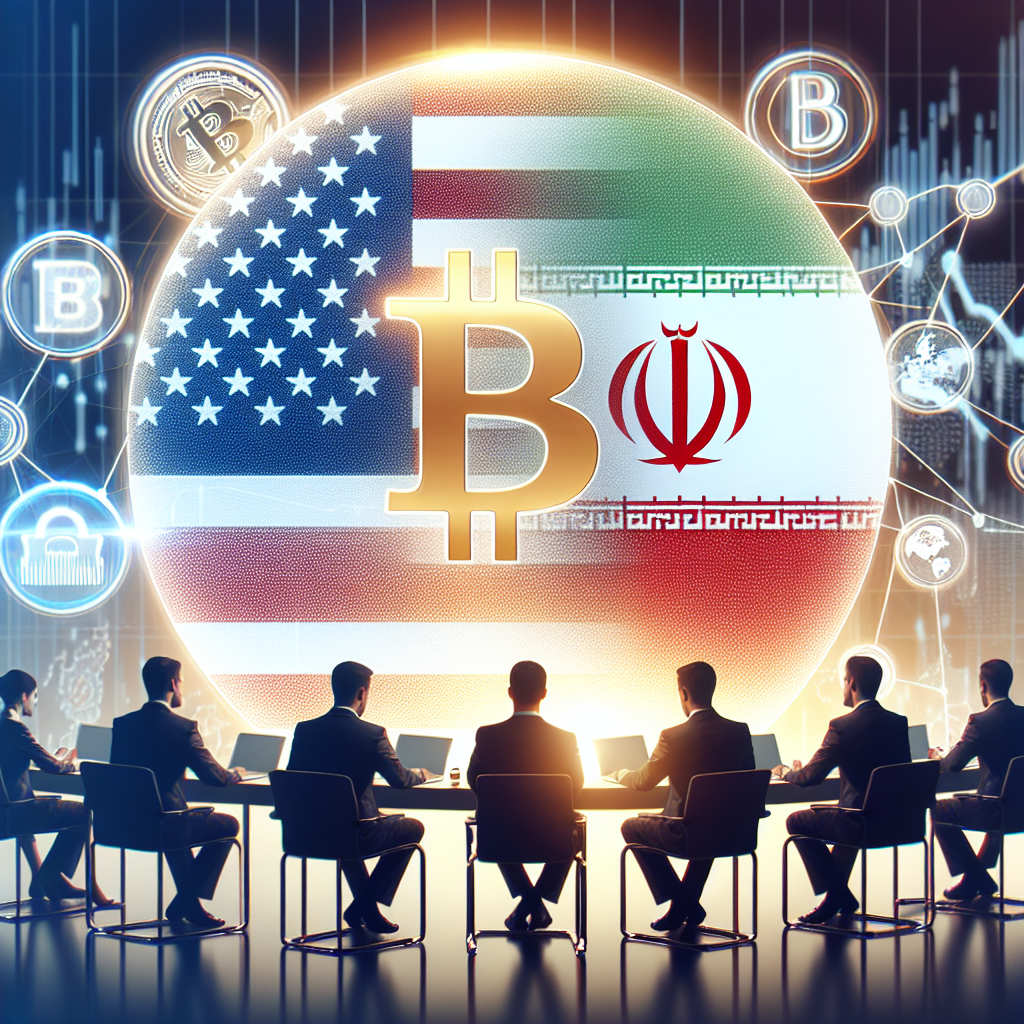

The ongoing geopolitical tensions between the United States and Iran present a complex landscape not just for international relations, but also for financial markets. As these conflicts escalate, a surprising beneficiary may emerge: Bitcoin (BTC). In this article, we will explore how prolonged military tensions could create a favorable environment for Bitcoin, examining various economic factors that could influence its rise and how investors might navigate these turbulent times.
We will delve into the implications of increased U.S. deficit spending, the weakening of the dollar, and the shift in investor preferences towards non-dollar assets. Additionally, we will provide insights into the potential impacts of Federal Reserve policies and the broader economic context of stagflation that could lead to a surge in Bitcoin’s value. Let’s unpack these dynamics to understand why Bitcoin might be positioned to gain traction as the conflict continues.
The Geopolitical Landscape: U.S. and Iran
The U.S.-Iran conflict has deep historical roots, with tensions arising from various geopolitical, religious, and economic factors. Recent provocations, including military engagements and sanctions, have heightened the stakes. As military operations escalate, the financial implications for the U.S. government become significant. Increased military spending typically leads to greater deficit spending, which can have cascading effects on the economy.
For instance, the U.S. government may need to finance its military operations through borrowing, leading to an increase in the national debt. This situation can contribute to a depreciation of the dollar, compelling investors to seek refuge in alternative assets like Bitcoin, which is perceived as a hedge against inflation and currency devaluation.
Impact of Increased Deficit Spending
As the U.S. government expands its deficit to fund military expenditures, we can expect a surge in liquidity in the financial system. This influx of capital can create inflationary pressures, which historically leads to a decline in the purchasing power of the dollar. Inflation can prompt investors to pivot towards assets that are less susceptible to devaluation, like Bitcoin.
Mark Connors, a leading risk analyst, suggests that in an environment of declining currency value, investors are likely to gravitate towards Bitcoin due to its finite supply and inherent scarcity. As more capital flows into Bitcoin, its price may appreciate significantly, reinforcing its status as a ‘digital gold’.
The Dollar’s Decline and Bitcoin’s Rise
The value of the U.S. dollar is inherently linked to investor confidence. In times of geopolitical instability, confidence can wane, leading to a depreciation of the dollar. This scenario is particularly relevant when the U.S. engages in military operations that strain its resources. A weaker dollar not only impacts domestic purchasing power but also alters the global financial landscape.
Global investors increasingly seek alternatives to the dollar, and Bitcoin stands out as a non-sovereign asset that operates outside traditional banking systems. Its decentralized nature makes it an attractive option for those looking to protect their wealth from the volatility of fiat currencies. Consequently, the ongoing conflict could accelerate this trend, positioning Bitcoin for substantial growth.
Federal Reserve Policies: A Double-Edged Sword
The monetary policy decisions made by the Federal Reserve are crucial in shaping the economic outlook during times of conflict. Currently, the Fed maintains a low-interest-rate environment to stimulate economic growth. However, this policy can lead to increased risk-taking among investors, prompting them to seek higher returns in more volatile assets such as cryptocurrencies.
Moreover, the Fed’s commitment to keeping interest rates low, even in the face of potential stagflation—a combination of stagnant economic growth and rising inflation—creates an environment conducive to Bitcoin’s growth. As traditional asset classes struggle under this economic pressure, Bitcoin may emerge as an appealing investment alternative.
Stagflation: A Catalyst for Bitcoin Investment
The specter of stagflation poses significant challenges for policymakers, creating uncertainty in financial markets. In this environment, investors often look for assets that can retain value or appreciate. Bitcoin has gained recognition as a potential safe haven, particularly among younger investors who are more inclined to embrace digital assets.
As inflation rises and economic growth stagnates, the appeal of Bitcoin’s limited supply becomes more pronounced. Investors may view it as a hedge against the eroding value of their cash holdings. This shift in investment strategy could lead to increased demand for Bitcoin, driving its price upward.
Practical Implications for Investors
Investing in Bitcoin during geopolitical tensions requires a strategic approach. Investors should consider diversifying their portfolios to include Bitcoin alongside traditional assets. Additionally, understanding market sentiment and geopolitical developments is crucial in making informed investment decisions.
Engaging with Bitcoin through reputable exchanges and wallets, while also staying informed about regulatory changes, can mitigate risks associated with investing in cryptocurrencies. Furthermore, allocating a portion of one’s investment portfolio to Bitcoin could serve as a hedge against potential economic downturns resulting from the ongoing U.S.-Iran conflict.
Conclusion
The dynamics of the U.S.-Iran conflict illustrate how geopolitical tensions can significantly influence financial markets, particularly the cryptocurrency landscape. As military engagements continue, factors such as increased deficit spending, a declining dollar, and accommodative Federal Reserve policies may create a favorable environment for Bitcoin.
In summary, investors should remain vigilant and consider the potential benefits of Bitcoin as a hedge against economic instability. By understanding the interplay between geopolitical events and financial markets, investors can position themselves to capitalize on the opportunities presented by Bitcoin. Don’t miss out on the chance to maximize your gains—get up to 85% of exchange fees refunded! Visit here for more details.


