Impacts of the Hormuz Strait Blockade: Concerns Over Oil Storage Capacity in Middle Eastern Oil-Producing Nations

“`html
The recent blockade of the Hormuz Strait has sent shockwaves through global oil markets, raising significant concerns regarding the storage capacities of oil-producing countries in the Middle East. The strategic importance of the Hormuz Strait cannot be overstated, as it serves as a critical passage for a significant portion of the world’s oil supply. In this article, we will explore the implications of the blockade, the current state of oil storage facilities in countries like Iraq, Saudi Arabia, and the UAE, as well as the potential consequences for global oil prices and supply chains.
We will delve into the factors leading to the blockade, analyze the responses of various nations, and discuss how these events may affect oil markets and economies worldwide. Additionally, we will provide insights into future projections and possible solutions to mitigate the impact of this crisis.
The Strategic Importance of the Hormuz Strait
The Hormuz Strait is one of the most crucial maritime chokepoints in the world, with approximately 20% of the global oil supply passing through its waters. This narrow passage, situated between Oman and Iran, connects the Persian Gulf with the Gulf of Oman. Its strategic significance has made it a focal point for geopolitical tensions, especially in recent years.
Historically, any disruption in this region has led to immediate fluctuations in oil prices and heightened global energy insecurity. The blockade has not only affected oil transport but has also raised alarms about the overall stability of the oil supply chain, prompting countries to reconsider their energy policies and supply routes.
As the situation evolves, it is crucial to understand the balance of power in this region and how it influences global markets. The responses from key players such as the United States, European Union, and regional powers will shape the future dynamics of oil transportation and pricing.
The Current State of Oil Storage in the Middle East
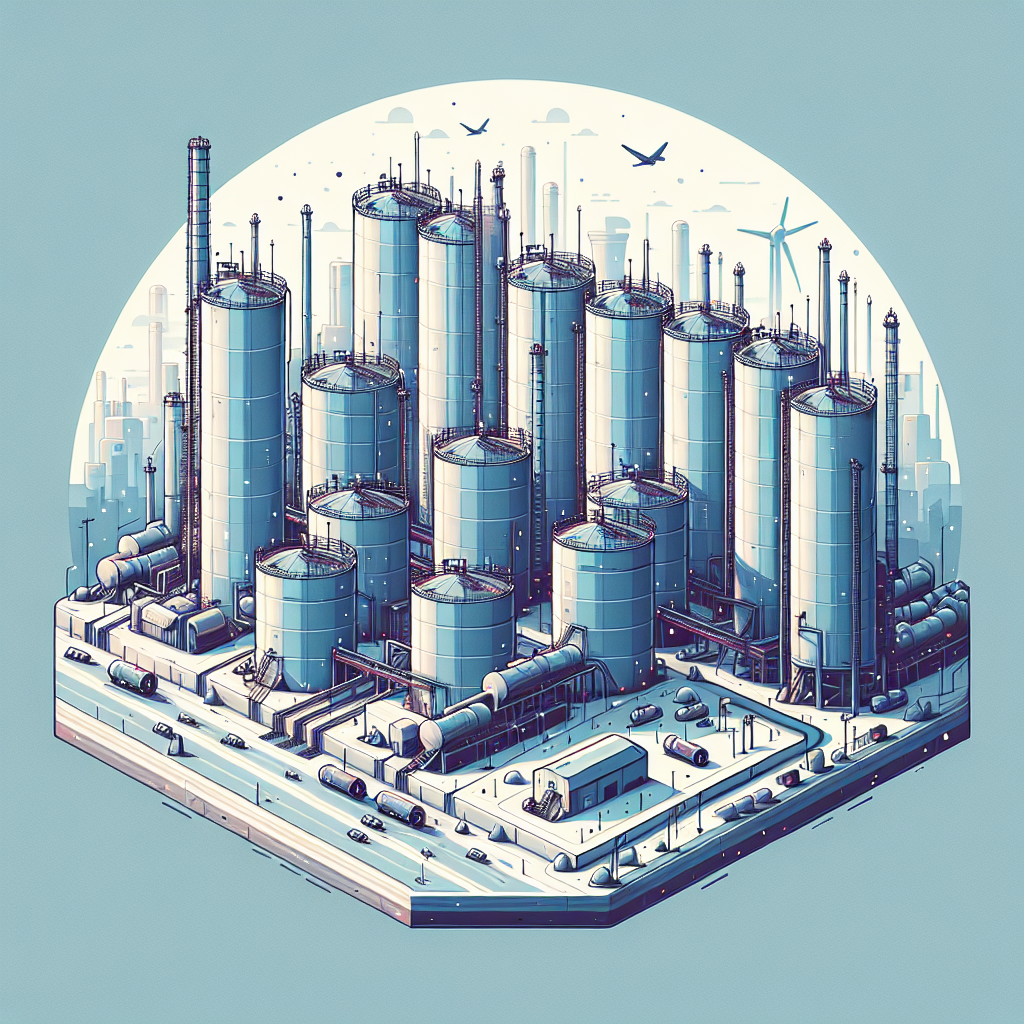
With the blockade in effect, oil storage facilities in Middle Eastern countries are nearing full capacity. Reports indicate that Iraq has already begun to cut its oil production due to dwindling storage space, while Saudi Arabia and the UAE are also likely to follow suit in the coming weeks.
The total estimated oil storage capacity in the Gulf region stands at around 100 million barrels. However, actual usable capacity is significantly lower due to operational limits and the locations of storage facilities. Key export terminals such as Ju’aymah and Ras Tanura in Saudi Arabia are rapidly filling up, indicating a looming crisis.
This situation is exacerbated by the fact that oil-producing nations rely heavily on timely exports to maintain their economies. The inability to store excess oil could lead to severe economic repercussions, not only for these countries but also for global oil markets.
Potential Oil Production Cuts
As storage facilities reach their limits, oil-producing countries are faced with tough decisions regarding production cuts. The potential for reduced output raises questions about the overall stability of global oil markets, particularly as international oil prices continue to rise.
JP Morgan has issued warnings that, without alternative export routes, some nations could reach their storage capacity limits within three weeks, compelling them to reduce production significantly. This could lead to a sharp increase in oil prices, as seen in previous instances when the market faced supply constraints.
The balance between maintaining production levels and ensuring adequate storage will be a critical factor in the coming months, forcing countries to navigate a delicate situation that could have lasting implications for their economies.
Impact on Global Oil Prices
In light of the blockade and its effects on storage capacities, global oil prices have surged, with crude oil futures briefly surpassing $85 per barrel, reaching their highest levels in about 19 months. However, recent reports indicating the potential for peace negotiations involving Iran have caused prices to retract slightly to around $82 per barrel.
The volatility of oil prices in response to geopolitical developments highlights the interconnected nature of the global oil market. Investors and analysts are closely monitoring these fluctuations, as they are likely to impact not only oil-producing nations but also economies reliant on stable oil prices.
Understanding the underlying causes of these price movements will be essential for stakeholders in the energy sector, as they navigate the complexities of supply and demand in a turbulent market.
Geopolitical Tensions and Their Consequences
The blockade of the Hormuz Strait is a manifestation of the broader geopolitical tensions in the Middle East, particularly involving Iran and its neighboring countries. These tensions have significant implications for the energy sector, as they influence not only oil supply but also international relations.
Countries are increasingly seeking to diversify their energy sources and routes to mitigate risks associated with such blockades. This has led to heightened interest in alternative transportation routes and partnerships with other nations, which could reshape the global energy landscape in the long term.
Moreover, the potential for military conflicts or sanctions in the region can further destabilize oil markets, creating a cycle of uncertainty that impacts global economies. Stakeholders must remain vigilant and adaptable in the face of these evolving dynamics.
Looking Ahead: Future Projections and Solutions
The situation in the Middle East remains fluid, and future projections will depend on various factors, including diplomatic efforts, military actions, and market responses. Experts suggest that if the blockade continues without resolution, countries may need to implement strategic changes in their oil production and export strategies.
Possible solutions could include investment in alternative transportation routes, increased collaboration among oil-producing nations, and a focus on renewable energy sources to reduce dependence on oil. Additionally, countries may need to develop contingency plans to manage storage capacities effectively and address potential disruptions in supply.
By proactively addressing these challenges, nations can better position themselves to navigate the complexities of the global oil market and ensure energy security for the future.
Conclusion
The blockade of the Hormuz Strait has far-reaching implications for oil-producing nations and the global oil market. As storage facilities reach their limits and countries consider production cuts, the potential for increased oil prices looms large. Understanding the strategic importance of the Hormuz Strait and the geopolitical tensions that surround it is essential for stakeholders in the energy sector.
As we look to the future, proactive measures and strategic adaptations will be vital in mitigating the impacts of this crisis. Stakeholders must remain informed and responsive to the evolving dynamics of the oil market, ensuring that they are prepared for any eventualities that may arise in this complex landscape.
Lastly, don’t miss out on the opportunity to maximize your profits! Get up to 85% commission back on exchange fees by visiting this link.
“`


